
Shaggy’s Lottery Wins by Betting on His Range
More than three decades after “Oh Carolina,” Shaggy delivers a vibrant, collaborative and genre-hopping album that makes versatility feel like a signature, not a compromise.
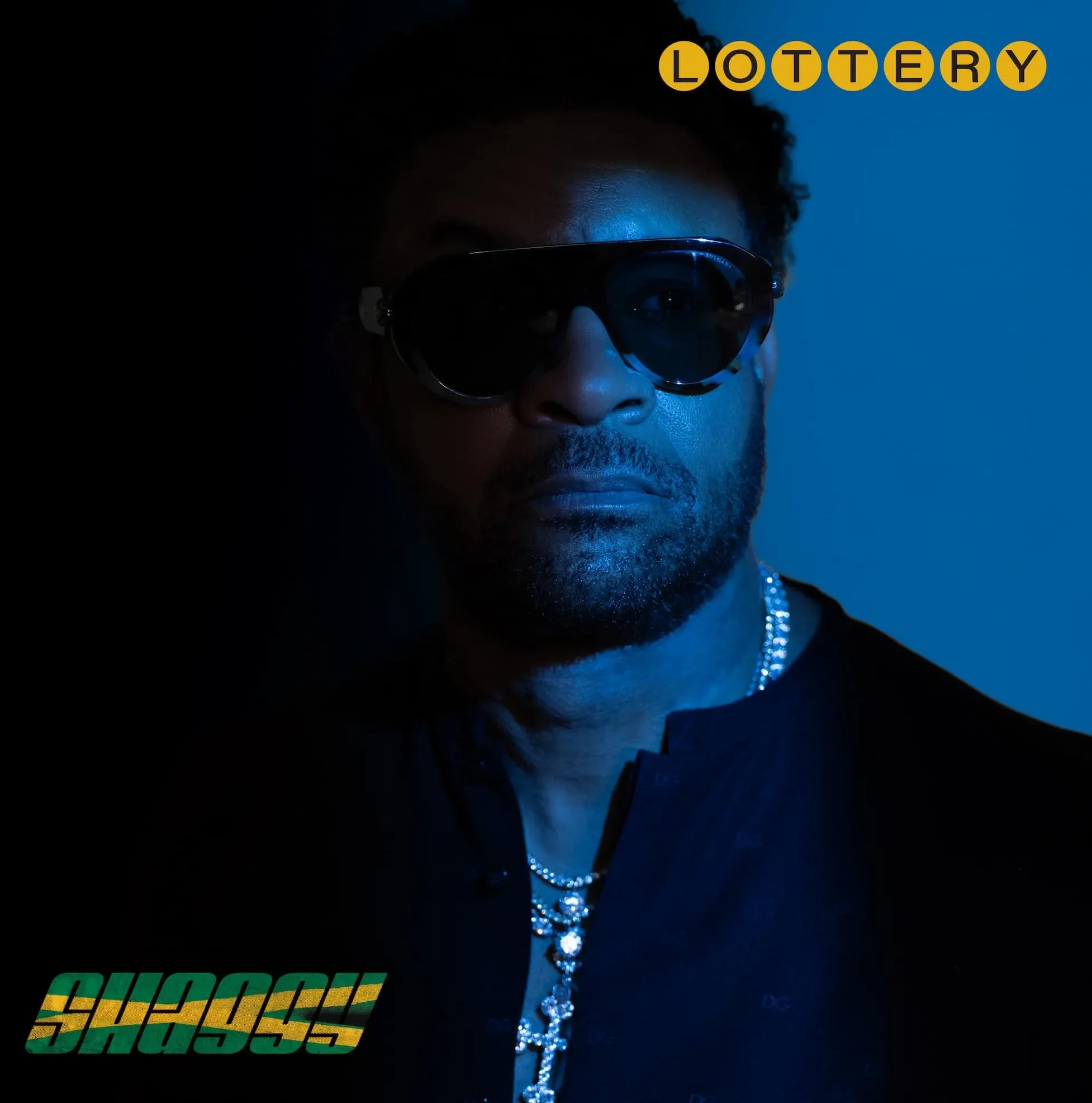
The record at a glance
Artist: Shaggy
Album: Lottery
Released: May 15, 2026
Length: 13 tracks, 40 minutes
Label: Ranch Entertainment / VP Music Group
Primary producers: Shaggy and Shane Hoosong
Key collaborators: Sting, Robin Thicke, Akon, Jeremih, Anthony Hamilton, Beres Hammond, Dexta Daps, Rayvon, Aidonia, Mutabaruka, Vanessa Amorosi, 450, Noah Powa and Olaf Blackwood
Singles get attention. Albums reveal the artist.
That belief is especially relevant to Lottery. Shaggy’s enormous singles made him a global star, but they can also obscure the full extent of his range. Across this album, he moves convincingly among dancehall, pop reggae, lovers rock and R&B without sounding like a visitor in any of them. Many listeners will probably select their favorite one to four tracks and leave the rest behind. The full spin, however, reveals the point: versatility is not a detour from Shaggy’s identity. It is his identity.
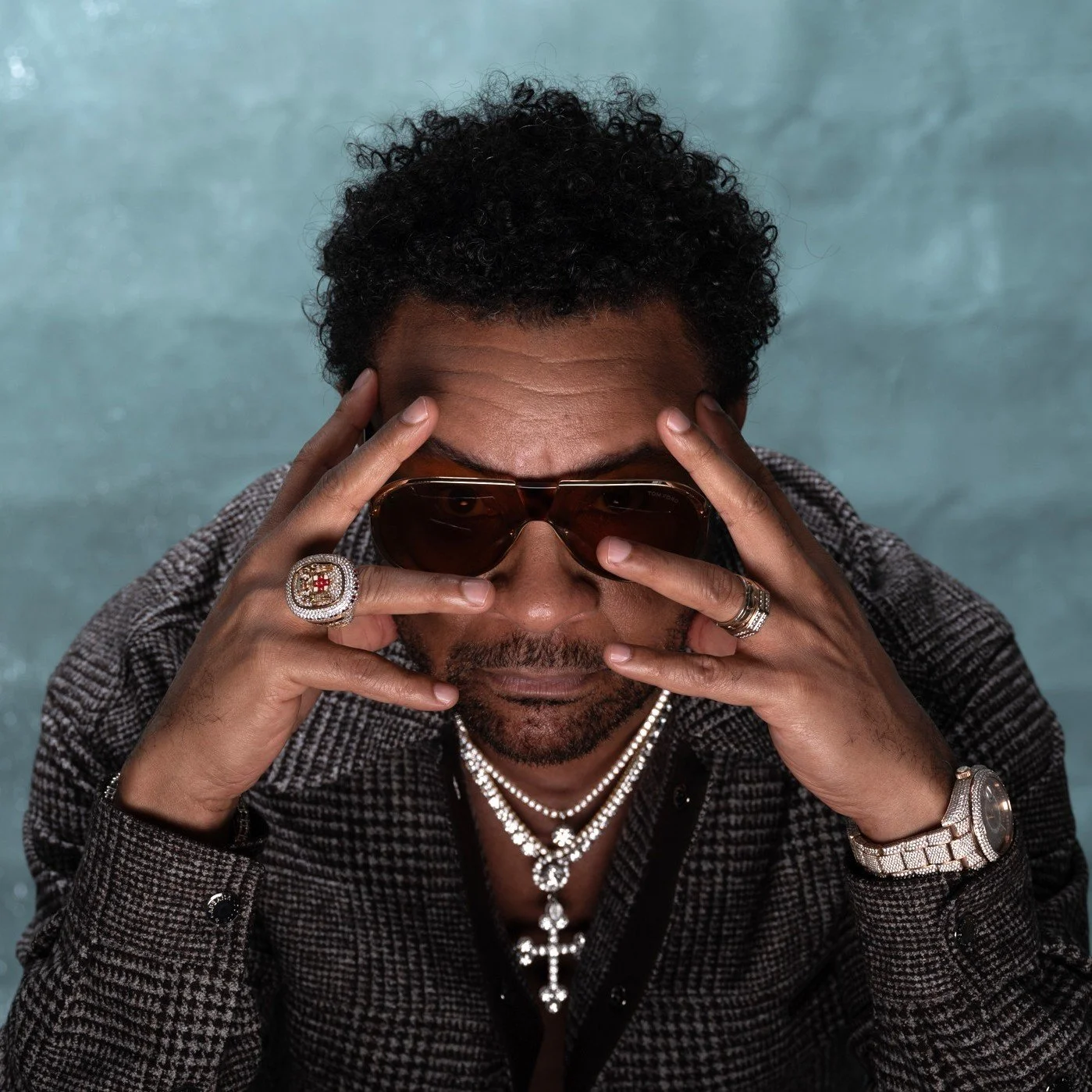



Before the needle drops: Who is Shaggy?
Born Orville Richard Burrell in Kingston, Jamaica, Shaggy moved to Brooklyn as a teenager and began pursuing music while absorbing the dancehall and sound-system culture surrounding him.
Before becoming an international star, he served in the United States Marine Corps as a field artillery cannon crewman and deployed during Operations Desert Shield and Desert Storm. Shaggy has said that his unmistakable booming vocal delivery emerged from playfully imitating his Marine drill instructors—a voice that sounded good on “Oh Carolina” and ultimately became part of his global identity.
That voice is now instantly recognizable. You may not know the song, but within seconds, you know it is Shaggy.
His 1993 interpretation of “Oh Carolina” introduced him internationally. “Boombastic,” “It Wasn’t Me” and “Angel” later made him one of the most commercially successful artists ever to emerge from dancehall. He has earned eight Grammy nominations and two wins, including Best Reggae Album for Boombastic and, with Sting, 44/876.
Shaggy is also an entrepreneur. Ranch Entertainment, his independent reggae-fusion label, was officially launched in New York in 2012 with a team that included longtime collaborators Rayvon, Red Fox and producer Shaun “Sting International” Pizzonia.
In my opinion, Shaggy is a fearless artist who does not receive the recognition or respect he deserves.
In 2020, he released the 15-track Christmas in the Islands, which gets heavy holiday rotation at the Douglas home. Two years later, Sting produced Com Fly Wid Mi, Shaggy’s ambitious reggae interpretation of the Frank Sinatra songbook.
Those are not predictable projects. Neither is Lottery.
Shaggy continues to treat genre boundaries as invitations.
The first impression
There is something here for almost everyone—from pop-radio listeners and R&B fans to committed dancehall heads.
That can sound like faint praise, as though the album is trying to satisfy so many audiences that it lacks a point of view. But Shaggy has spent his career turning crossover appeal into an artistic strength.
Like a flat stone skipping across water, Lottery touches one musical surface after another. “God Is Amazing” opens with spiritual weight. The title track brings a darker, contemporary R&B mood. “Boom Body” moves toward the club. “Lookin’ Lovely” delivers polished crossover pop, while “Dancehall Nice” hits with more force. Later tracks introduce lovers’ rock, soul and classic-reggae influences.
The record moves through these styles without getting trapped in any one of them.
Most importantly, it never feels like a compilation assembled by committee. It sounds like Shaggy— playful, confident, collaborative and entirely comfortable occupying several musical worlds at once.
Thirteen tracks is also the right length. The album finishes in approximately 40 minutes, before its versatility can become exhausting. Then you need another 20 or 30 minutes to revisit the songs that caught your attention during the first spin.
That is a very good problem for an album to create.
What holds the album together
Shaggy holds it together.
His voice is the most obvious connective tissue, but his personality matters just as much. Whether he is sharing space with an established soul singer, a dancehall veteran, a younger Jamaican artist or an international pop star, he never disappears inside the collaboration.
That is not easy.
Albums packed with guest performers can start to feel like networking exercises. Lottery avoids that problem because Shaggy understands what each collaborator can contribute— and how to make that contribution serve the song.
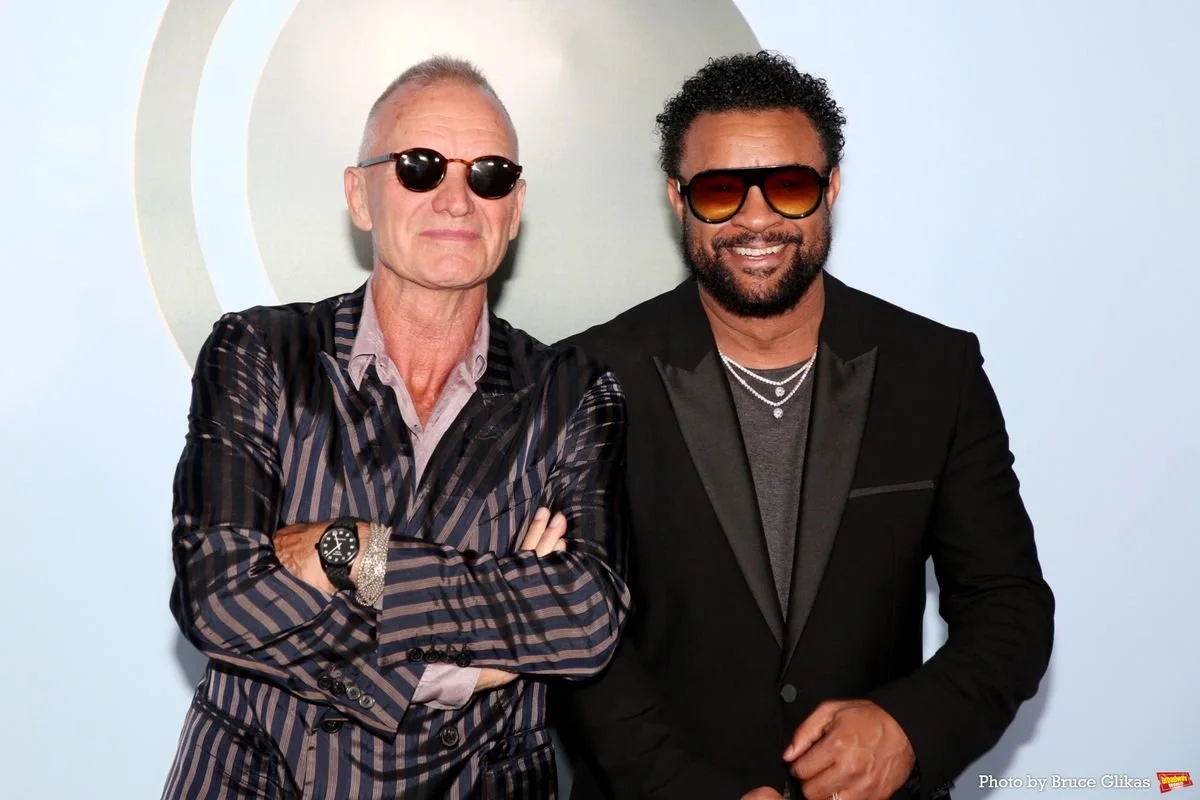
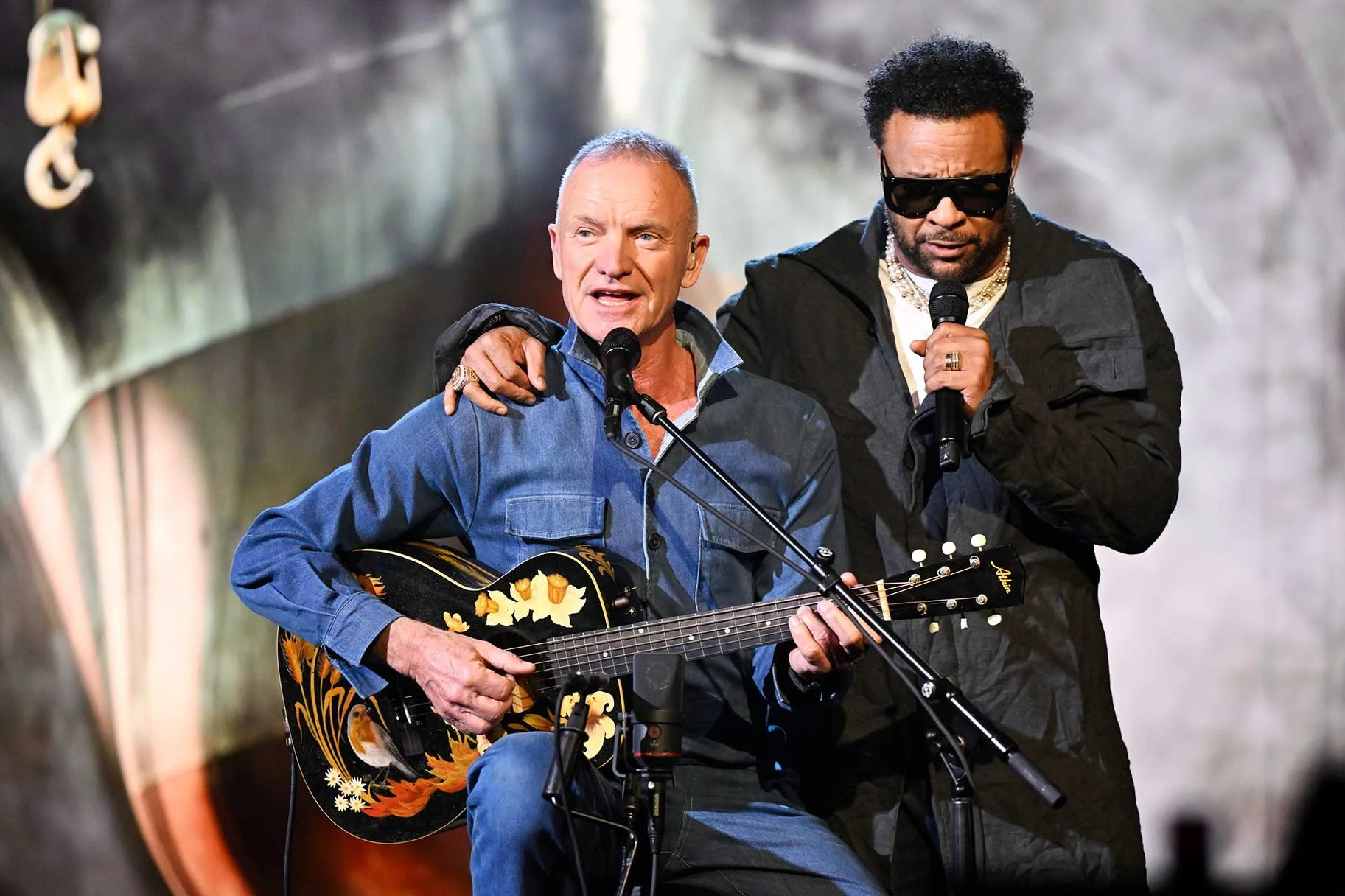
Beres Hammond brings warmth and history. Dexta Daps supplies contemporary edge. Anthony Hamilton adds gospel-trained soul. Robin Thicke brings polished pop and R&B sensuality. Rayvon reconnects Shaggy to one of his most enduring creative partnerships. Sting arrives as both collaborator and friend.
The album does not push reggae into unexplored territory. It is evolutionary rather than revolutionary. That may keep it from feeling like an obvious awards-season statement, but it does not diminish how successfully it accomplishes its purpose.
Shaggy is not trying to prove that he can reinvent reggae.
He is demonstrating how much musical territory a reggae artist can convincingly occupy.
The production and sequencing
The production is modern, polished and very strong.
Shaggy and Shane Hoosong give each featured artist enough room to remain recognizable while keeping the album grounded in Shaggy’s reggae-fusion sensibility. The vocals are clean, the low end carries weight and the rhythmic transitions prevent the album from settling into a one-track rut.
If I had to nitpick, I would have welcomed a greater presence of audible live instrumentation. A little more organic texture—horns, percussion, bass or guitar physically interacting in the room—might have made an already strong record feel even richer.
Still, the sequencing is remarkably effective.
The spiritual opening does not predict the club tracks that follow. The pop collaborations do not overwhelm the reggae foundation. The soul moments arrive naturally rather than feeling bolted onto the running order.
At 40 minutes, Lottery makes its case and gets out.
No bloated deluxe-disc thinking. No five-song stretch that needed editing. No obvious point where the album loses its momentum.
The standout moment
“Dancehall Nice,” featuring Beres Hammond and Dexta Daps, is the moment when the album hits hardest.
The collaboration places three generations and three distinct vocal personalities on the same track. Beres brings effortless melodic warmth. Dexta Daps supplies the sharper contemporary energy. Shaggy sits between them, connecting dancehall’s history to its present.
It also has the type of immediate bass, rhythm and attitude that could break in a strip club before some radio programmers realize what they missed.
IYKYK.
Those spaces can sometimes identify a record’s physical appeal faster than a research report ever could.
My three essential tracks
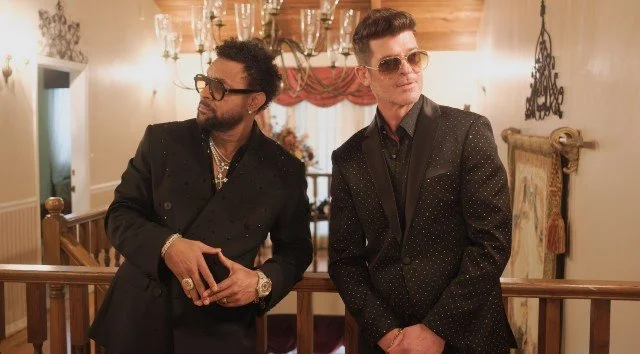
“Lookin’ Lovely” featuring Robin Thicke
This may be the album’s most natural crossover record.
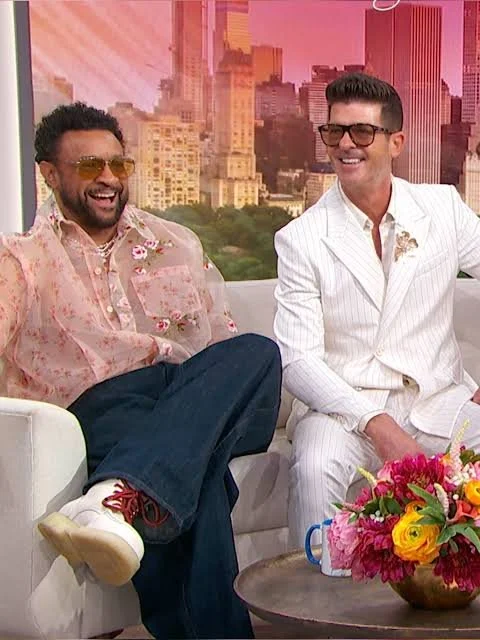
Shaggy’s Caribbean-infused pop instincts work beautifully against Robin Thicke’s smooth R&B delivery. Neither artist appears to be visiting the other’s territory; they meet comfortably in the middle.
The track also feels like a strong reentry point for Thicke as he balances recording with television roles on Name That Tune and The Masked Singer. It is polished without feeling overworked and familiar without sounding dated.
“I’m Good” featuring Anthony Hamilton
Anthony Hamilton’s raspy, church-reared soul is an ideal complement to Shaggy’s rhythmic vocal personality.
The track is smooth, midtempo and uplifting, leaning into gratitude and emotional reassurance rather than a heavy club rhythm. Hamilton gives the song depth, but Shaggy keeps it from becoming overly solemn.
It is the kind of record that can play at home, in the office or during a long drive and improve the atmosphere without demanding control of it.
“Lottery” featuring Jeremih
The original title track is moodier than much of the album, which makes it an important counterweight to the brighter material.
Jeremih brings a contemporary R&B coolness while Shaggy anchors the record with his distinctive cadence. It represents the album’s central wager: combine different voices and musical traditions, then trust Shaggy’s identity to hold everything together.
On September 18, Shaggy expanded the concept with “Lottery 4.0,” adding Rick Ross and Skillibeng to the existing Jeremih collaboration. That remix is not part of the original album, but its combination of R&B, American hip-hop and modern Jamaican dancehall makes it a fitting extension of the project.
Collaborations and deeper cuts
My recent deep dives into 1970s reggae made Shaggy and Sting’s interpretation of Bill Withers’s “Ain’t No Sunshine” especially enjoyable.
Reggae listeners may already associate the song with versions by Horace Andy or Ken Boothe. Shaggy’s recording does not attempt to replace those interpretations. It places another link in the chain, bringing his friendship with Sting into a song that has always translated naturally across genres.
“In the Name of Love” reunites Shaggy with Rayvon and carries an easy, melodic familiarity. Something about its movement gives me shades of Paul McCartney and Wings’ “Let ’Em In”—not a direct copy, but a similarly welcoming, open-door feeling.
“Bun (She Loves Me)” offers one of the album’s cleverest reversals. The artist forever associated with the terrible advice in “It Wasn’t Me” now finds the romantic tables turned on him. The joke works because Shaggy understands his own mythology well enough to play with it.
The only track that feels slightly flaky is the closer, “Til A Mawnin,” featuring Sting. The composition is strong, and the song pays tribute to legendary dancehall producer Henry “Junjo” Lawes. But Sting’s contribution occasionally crosses the line from charming into Kellogg’s-level corniness.
Fortunately, one slightly corny moment cannot undo the strength of the preceding 12 tracks.
The full-spin verdict
Lottery is the rare reggae album that can move easily between environments.
Put it on at the house, office or studio. Play it in a retail store, at a cookout or during a drive. It is accessible enough for casual listeners but contains enough dancehall history, Jamaican voices and stylistic variety to reward more knowledgeable reggae fans.
It earns repeat play because different tracks rise depending on the setting. “Dancehall Nice” may own the first listen. “I’m Good” may become the record you return to. “Lookin’ Lovely” may be the song that brings someone unfamiliar with contemporary reggae into the album.
The album also deserves physical ownership. VP Records released standard black vinyl and an exclusive limited-edition canary-yellow pressing— a particularly fitting format for an album called Lottery.
Lottery does not need to reinvent Shaggy. Its achievement is reminding us how difficult it is to do everything he makes appear effortless: move between dancehall, reggae, pop and R&B; collaborate across generations; entertain broad audiences; and still sound unmistakably like himself.
Stream it. Replay it. Buy it.
Wax rating: Essential wax—exceptional and deserving of a place in the collection. Get it on wax.
I suspect Lottery is a sleeper today that will be viewed as a Shaggy classic in the future.
Listen: Apple Music
Buy: Limited-edition canary-yellow vinyl
Follow: Shaggy on Instagram
Which three Lottery tracks best demonstrate Shaggy’s range— and would your choices change depending on where you were playing the album?
Follow Walls & Wax for more reggae albums given the full-spin treatment.