
The Story Behind Walls + Wax
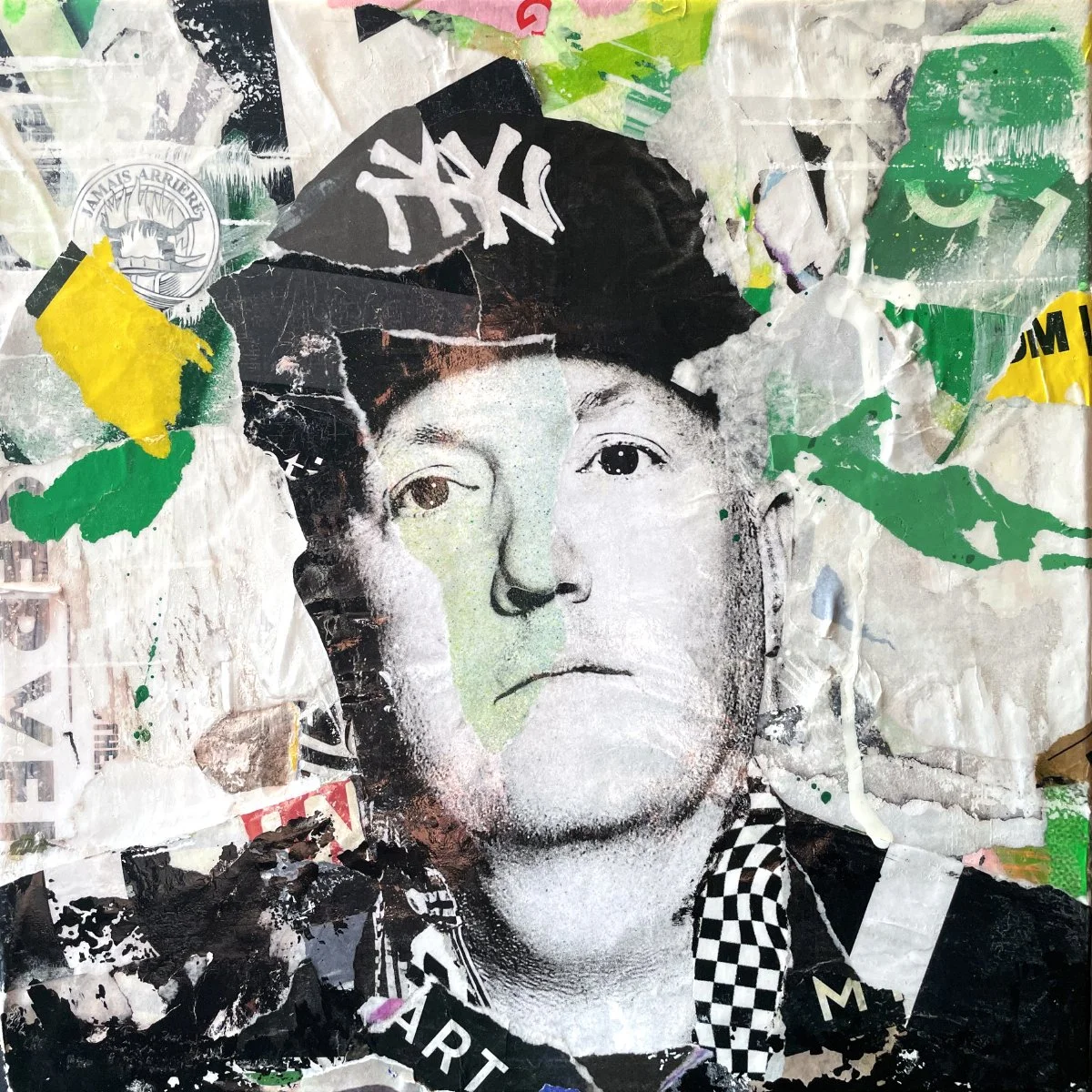
Original art piece created by Greg Gennaro
A collector’s eye, a producer’s ear and two passions worth sharing.
I grew up in Saddle River, New Jersey, surrounded by apple orchards and farmland about 30 minutes northwest of New York City.
When it was time for college, I moved to Manhattan to attend the Fashion Institute of Technology. That is where this story really begins— not because growing up in the country somehow destined me to discover urban culture, but because living in New York placed it directly in front of me.
I discovered urban art on my own, walking through the city and paying attention to its walls, streets, storefronts and neighborhoods. No professor, curator or collector pointed it out to me. I simply noticed the work and kept looking.
Advertising eventually became my profession. Today, I am co-founder and CEO of Left Off Madison. But the interests behind Walls + Wax began long before the agency. This is where my professional experiences and personal passions finally meet.
The Art Was Already in the Family
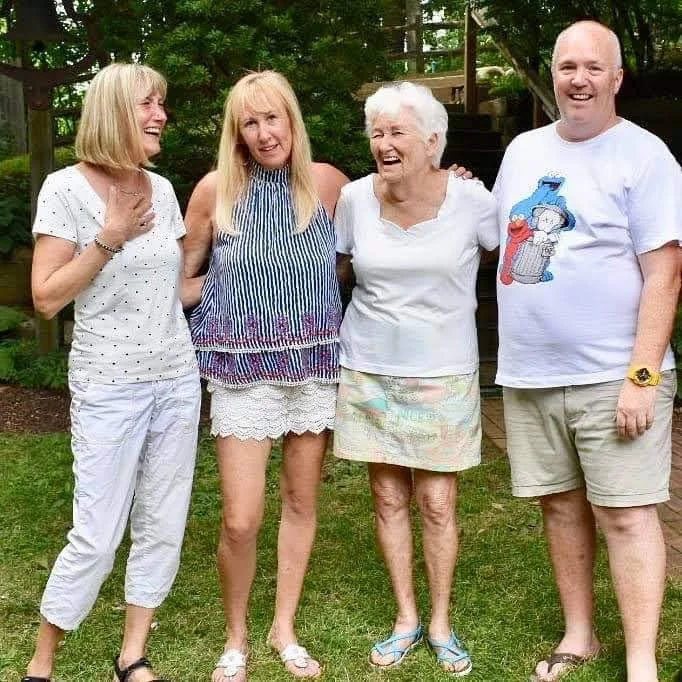
Creativity runs through my family, although each of us expresses it differently.
My mother graduated college with a degree in exterior design. My sisters, Heather and Sandi, are artists in their own areas of interest. One of my nieces is a clothing designer for Gap. Another is an art director at a California advertising agency. Another is a producer for a popular comedy TV series.
Then there is The Douglas House. Our family home is an active film location that regularly becomes the setting for commercials, television shows, music videos and comedy sketches.
In one form or another, art, design, music, storytelling and production have always been in the house. Walls + Wax simply gives some of those interests a new home.
From Collector to Collaborator
I began collecting urban art in the 1990s, long before street art regularly appeared in major galleries, auction houses and corporate collections.
I was drawn to artists who developed unmistakable visual languages in public work that could stop you, challenge you or make you reconsider an environment you thought you already understood.
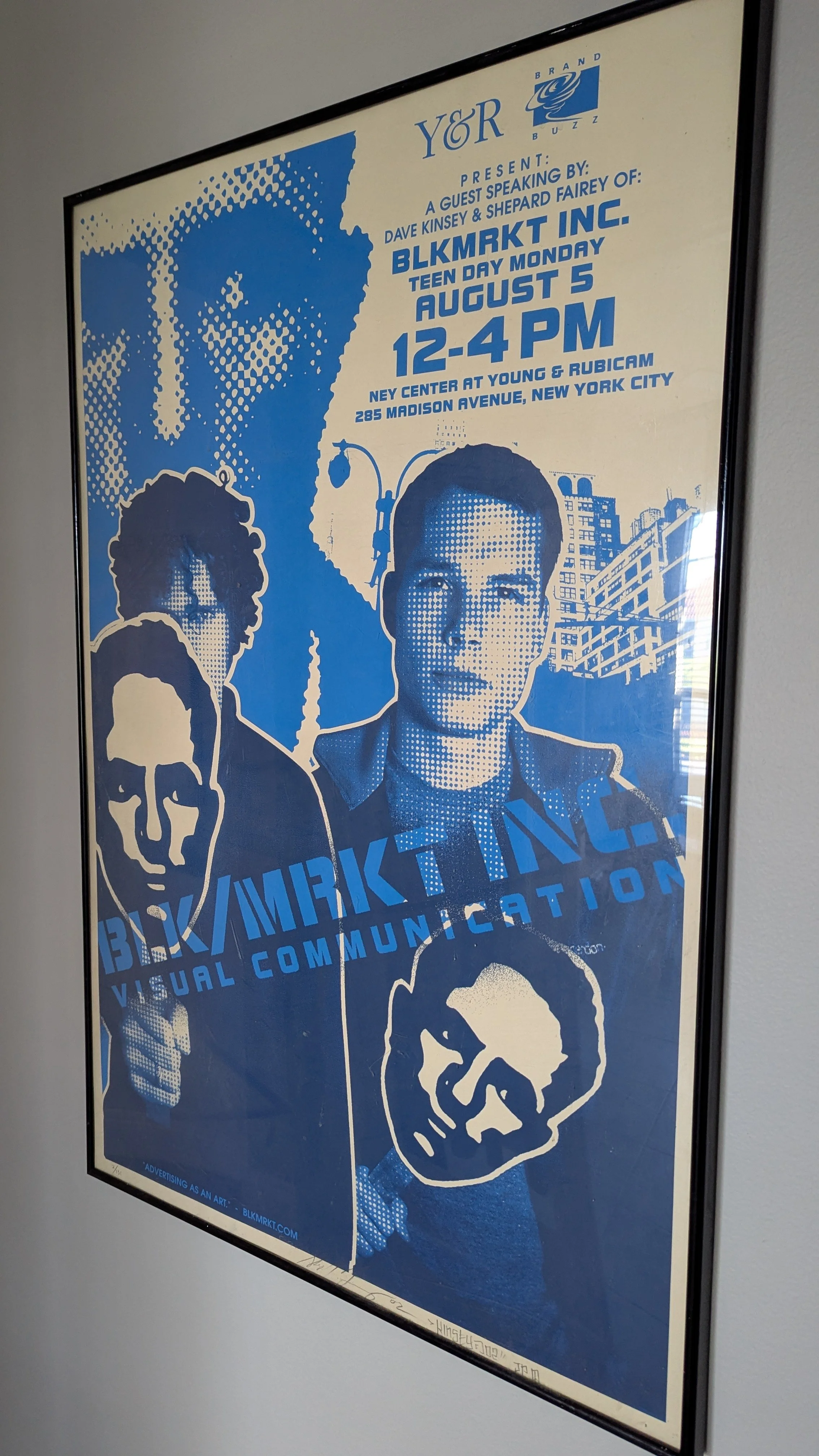
That interest eventually crossed into my professional life. During my advertising career, I had opportunities to work and collaborate with Shepard Fairey and Dave Kinsey at BLK/MRKT, bringing their perspective into conversations with major marketers.
In 2002, The Washington Post documented one of those moments, reporting that I brought Fairey and his BLK/MRKT partner to New York to challenge conventional thinking about how brands connected with younger consumers. Inc. later explored the broader intersection of Fairey, Kinsey, street art and commerce, including work created for brands such as my client Keurig Dr Pepper.
Those experiences reinforced something I had already come to believe: urban art is not merely decoration. It is communication. It carries ideas, identity, provocation and cultural meaning often long before the mainstream recognizes its influence.
That is the perspective behind Walls.
The Music Went Far Beyond the Studio
Music has never been background noise to me. The soundtrack began before I had any say in it.
From my parents’ stereo came Frank Sinatra, Artie Shaw and Benny Goodman. From my sisters’ bedrooms came Carole King, the Beatles, the Eagles and Crosby, Stills & Nash.
As a teenager and young adult, I built a soundtrack of my own: Rush and the Police; Judas Priest and Def Leppard; Depeche Mode and New Order; Nas, Gang Starr and Jay-Z; and, later, Massive Attack and Tricky. It was less a progression from one genre to another than an appetite for discovery. I learned to follow music wherever it led me.
Somewhere along the way— almost accidentally— I became the executive producer of a platinum-selling album collection through Universal Music Group. That experience taught me to listen beyond the obvious: to the production, sequencing, performances and creative decisions that turn individual songs into a complete artistic statement.
Music also became an important part of my advertising career.
At Young & Rubicam, I helped conceive and lead a multifaceted partnership between Dr Pepper/Seven Up— now part of Keurig Dr Pepper— and Clive Davis’ J Records record label. We created brand integrations involving artists including O-Town, Erick Sermon, Deborah Cox and Mario. Through that relationship, I also helped secure a Wyclef Jean performance aboard a double-decker bus in Times Square for LG Electronics, an event covered by Billboard.
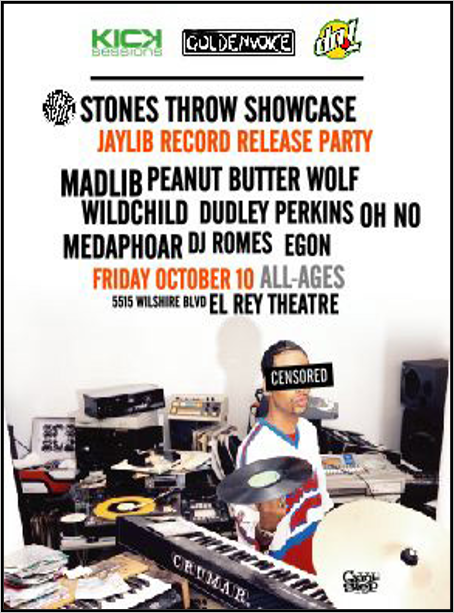
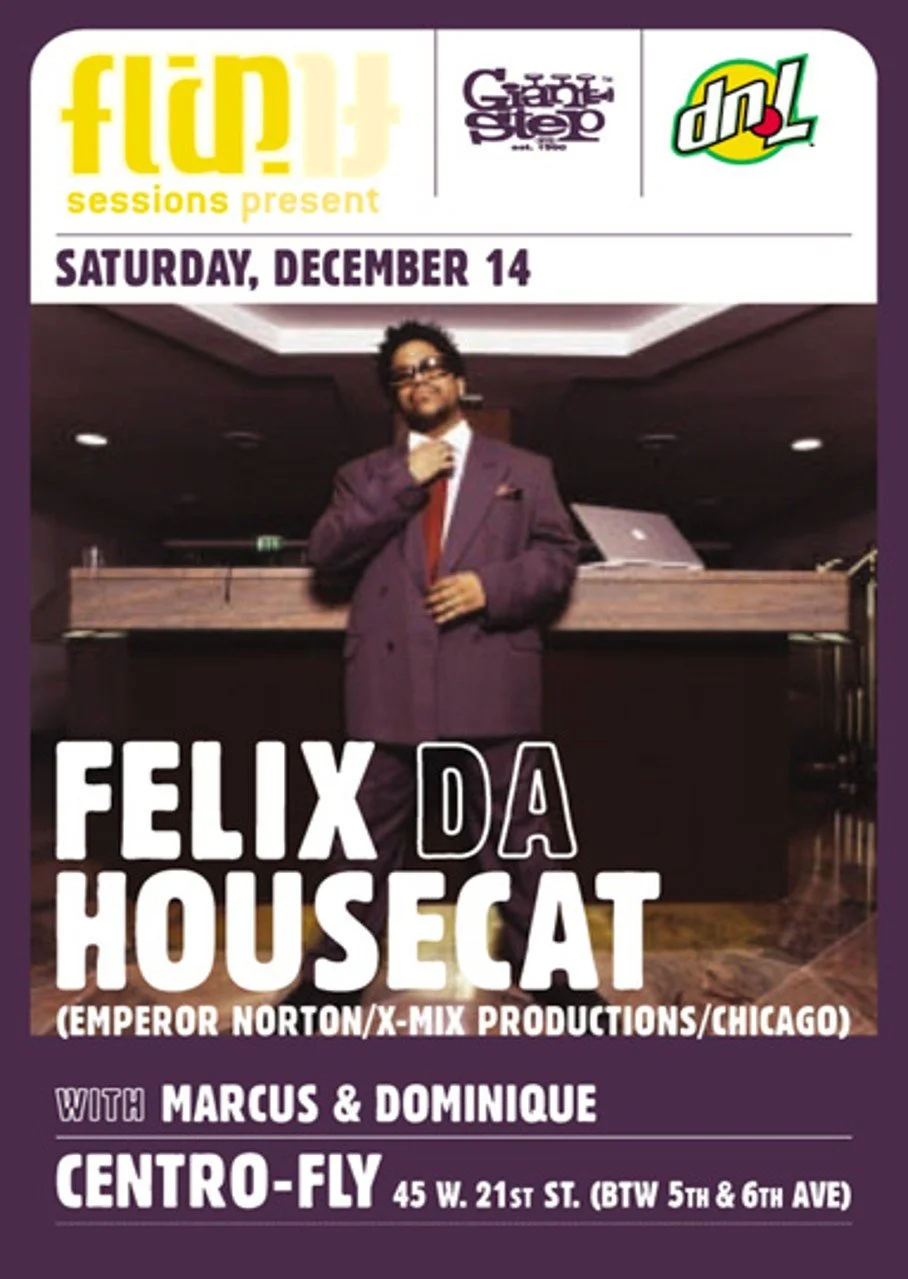
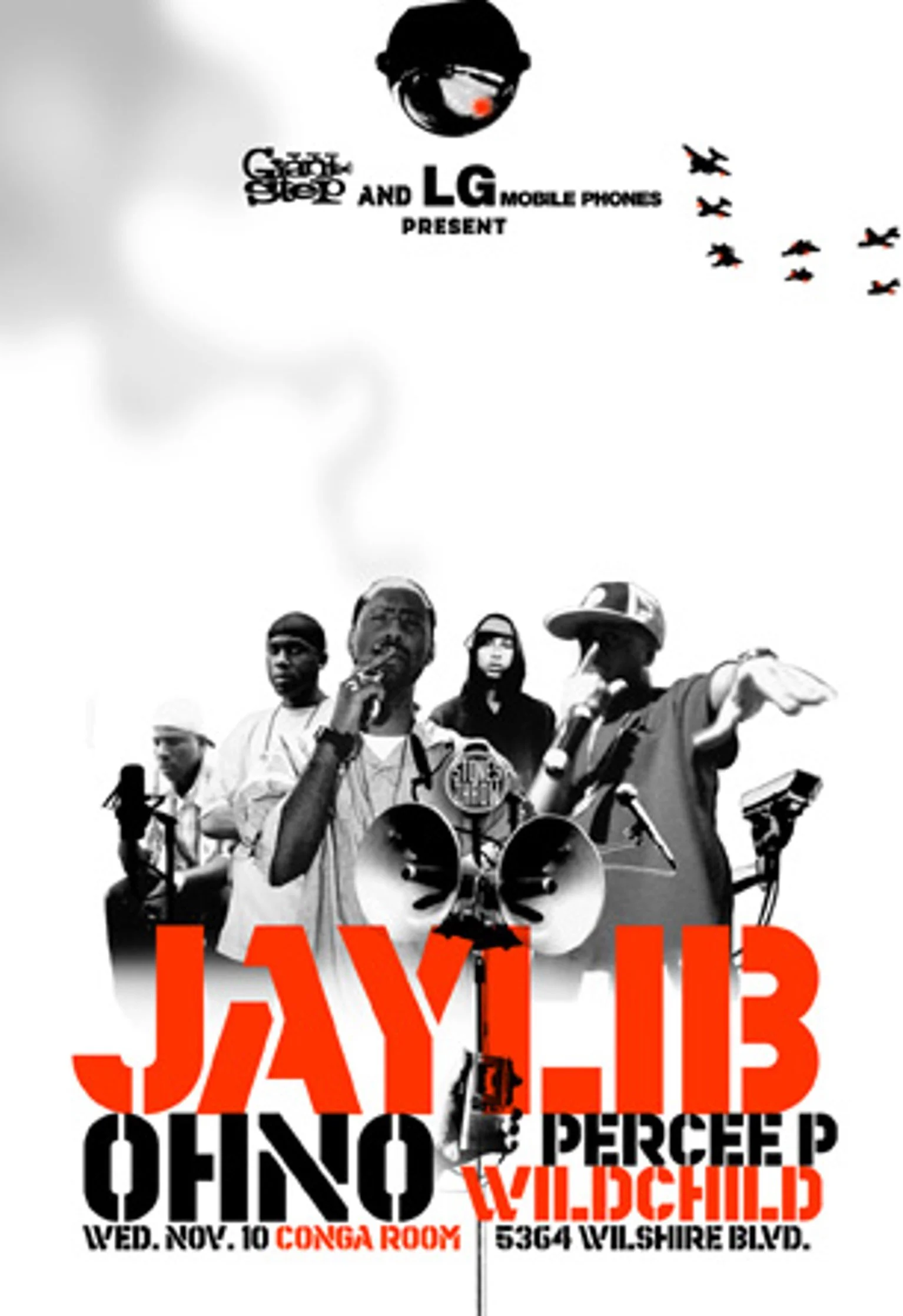
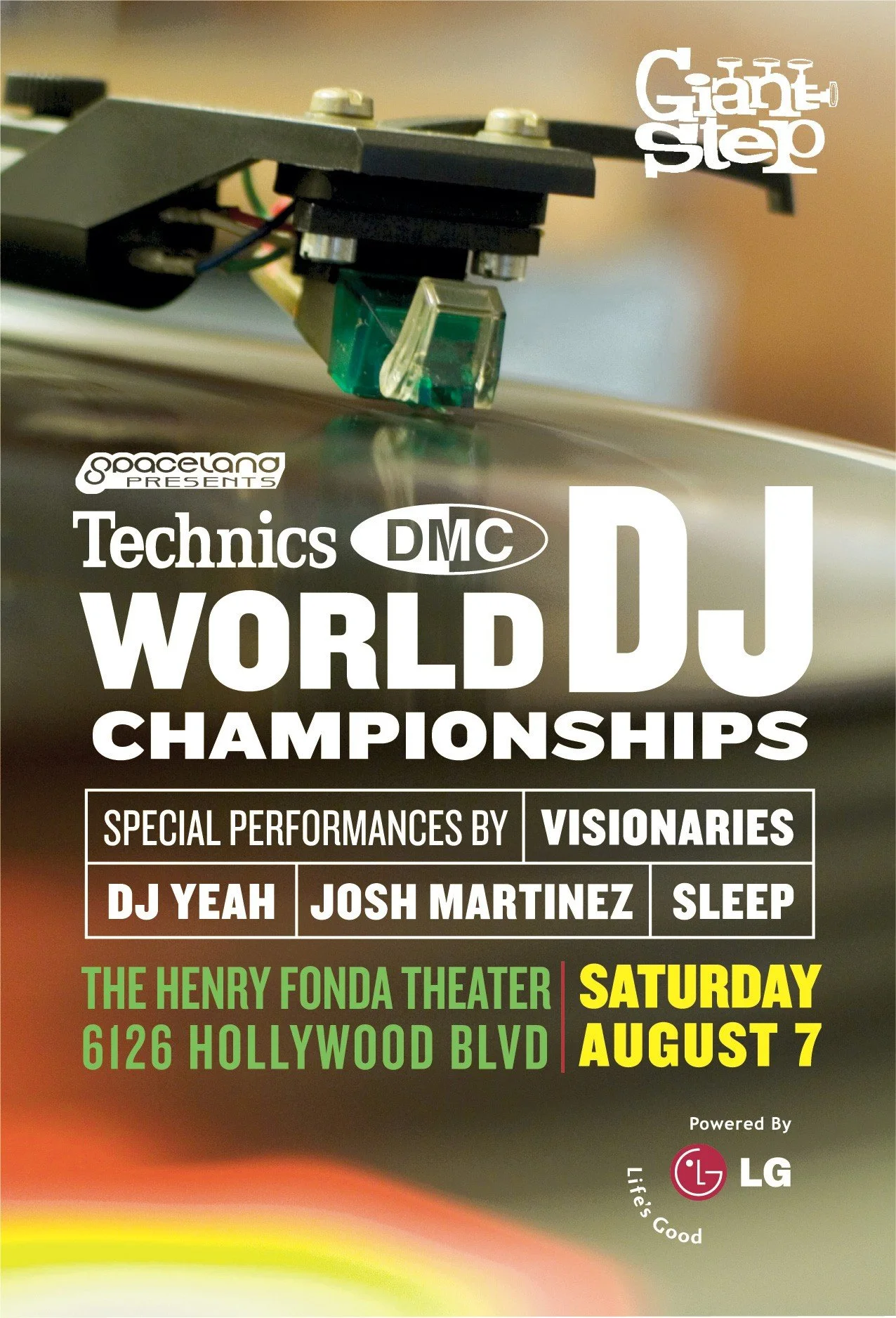
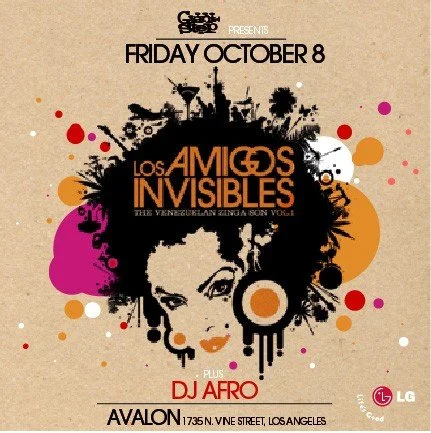
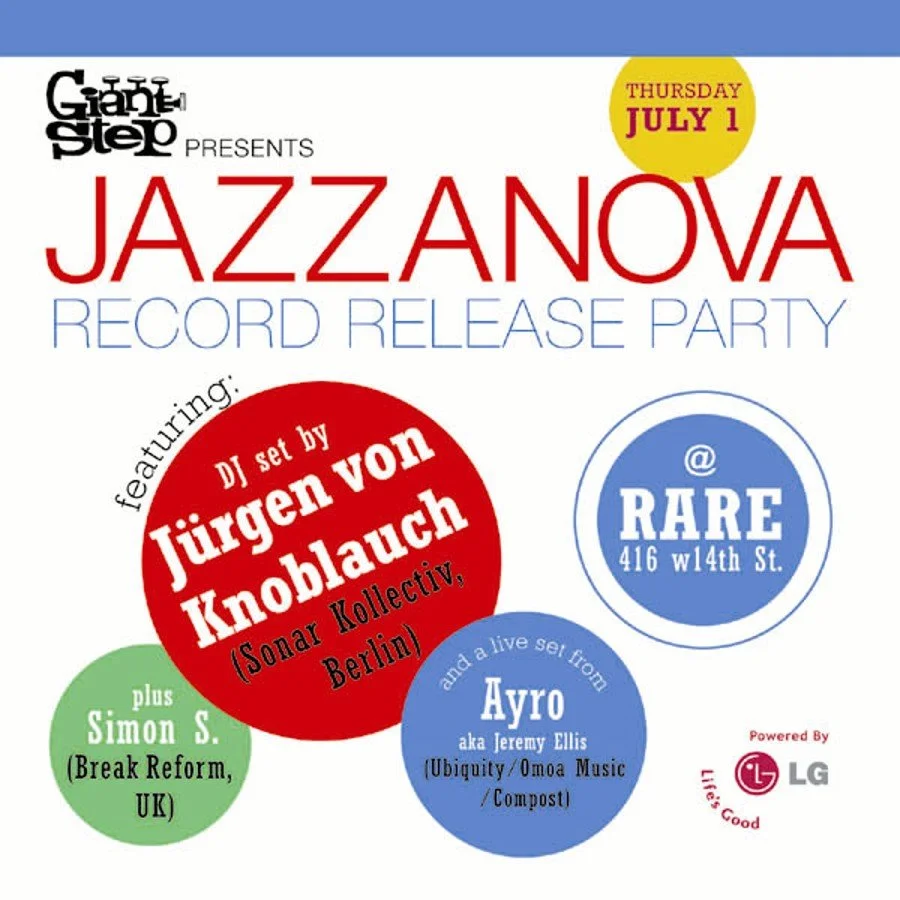
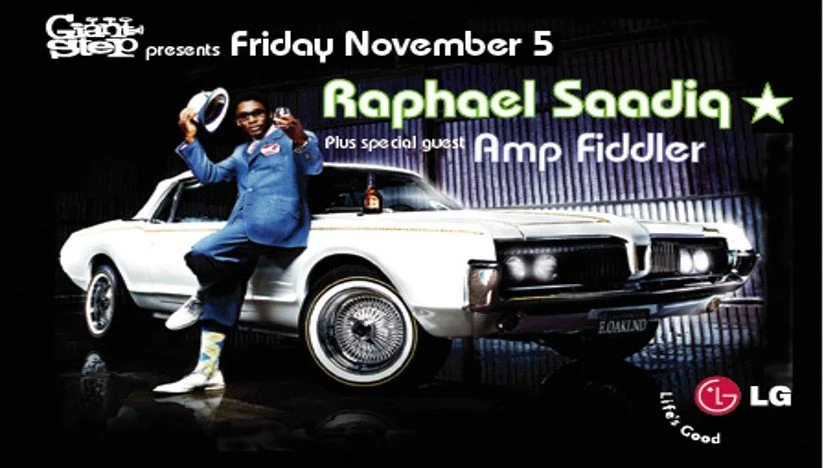
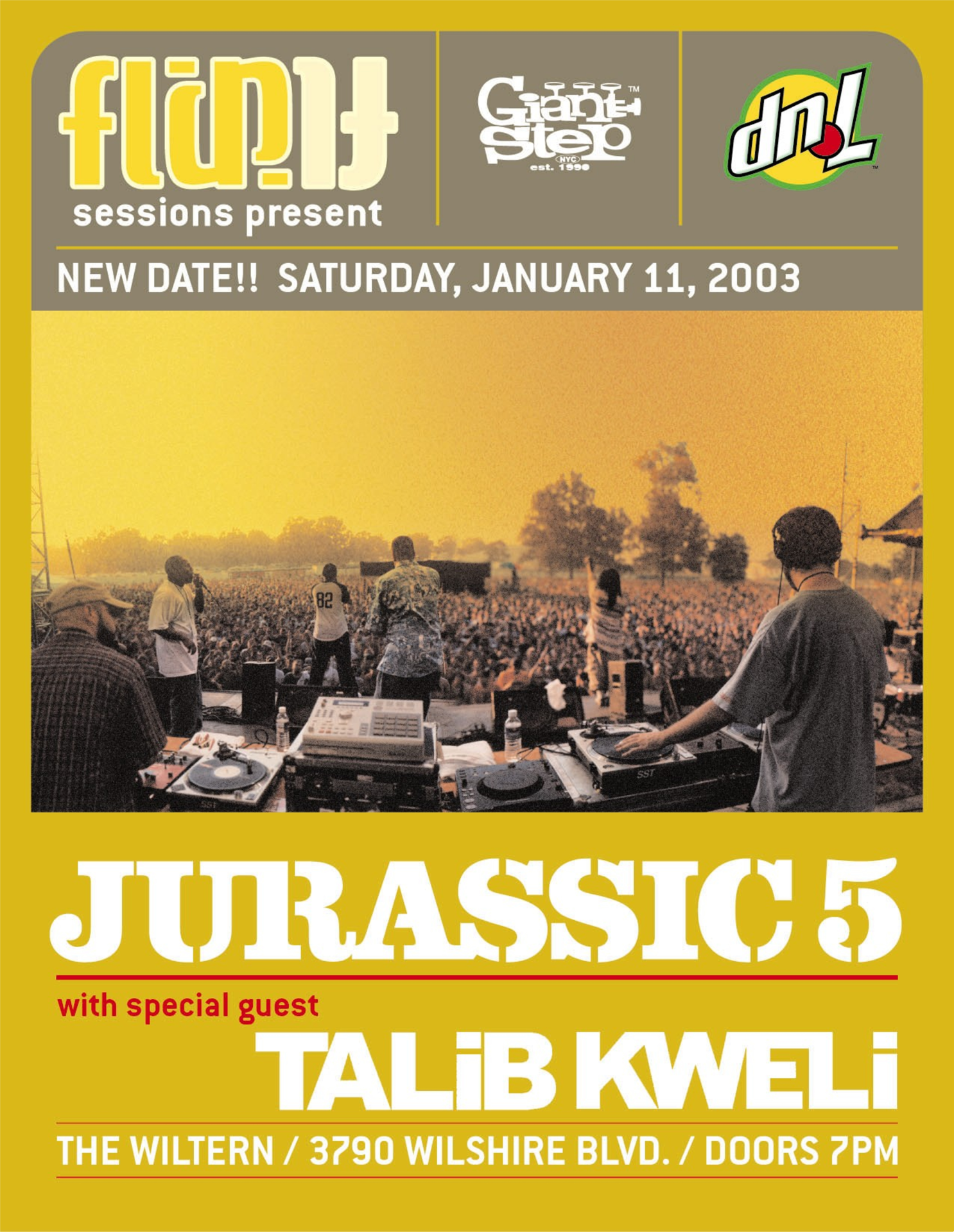
I later worked with Maurice Bernstein and Giant Step to create concert series for Dr Pepper/Seven Up and LG. Across New York, Los Angeles and Miami, the programs featured artists including Talib Kweli, Jurassic 5, J Dilla, Raphael Saadiq and Jazzanova, along with showcases for Stones Throw and Warp Records.
More recently, I worked with Dutty Rock, the independent label founded by global dancehall artist Sean Paul. Together, we created a rooftop event for executives and colleagues at my former agency’s
Lower Manhattan office featuring emerging Dutty Rock artist Chi Ching Ching. Sean Paul surprised the audience by appearing and performing alongside him.
That relationship later came full circle when I partnered with Dutty Rock and Chi Ching Ching to create advertising for Panasonic’s BMAX10 Party Speaker.
These were never conventional sponsorships with a logo placed beside a stage. Music was part of the idea— connecting artists, brands and audiences in ways that felt credible to each.
Those experiences sharpened my ear and reinforced the belief behind Wax:
Singles get attention. Albums reveal the artist.
-
![Poster for Stones Throw Showcase and Jaylib Record Release Party at El Rey Theatre, featuring Madlib Peanut Butter Wolf, Wildchild Dudley Perkins, Oh No Medaphoar DJ Romes Egon, October 10, at 5515 Wilshire Blvd.]()
-
![Event flyer featuring a man in a suit and sunglasses, promoting Felix Da Housecat on Saturday, December 14, at Centro-Fly in Chicago.]()
-
![A black and white photo of a group of protesters, with one person speaking into a megaphone, and a large red text overlay advertising an event at the Congo Room, 5364 Wilshire Blvd, on Wednesday, November 10.]()
New List Item
-
![Flyer for the World DJ Championships featuring a close-up of a record player's tonearm and needle, event details including location at The Henry Fonda Theater, date August 7, and performers like DJ Yeah, Josh Martinez, and Sleep, with logos of Space Land Presents and LG and signature Life's Good.]()
New List Item
-
![Event poster for Los Amigos Invisibles concert on Friday, October 8 at Avalon in Los Angeles, featuring DJ Afro, with colorful abstract and silhouette graphics.]()
-
![Event poster titled 'JAZZANOVA RECORD RELEASE PARTY' scheduled for Thursday, July 1st at RARE, 416 W 14th St. Features DJ set by Türgen von Knoblauch from Sonar Collectiv Berlin, plus live performance by Ayro aka Jeremy Ellis, and additional artist Simon S. from UK. Powered by LG.]()
New List Item
-
![Promotional poster for a concert featuring Raphael Saadiq and Amp Fiddler, scheduled for Friday, November 5. The poster shows Raphael Saadiq in a blue suit, wearing white boots, leaning against a white vintage car with a bottle on top, set against a dark background with colorful text and logos.]()
New List Item
-
![Two promotional flyers for the River Rocks event at Hudson River Park, featuring bands Pretty Girls Make Graves, Broken Social Scene, and others, scheduled for Thursday, July 10, with doors opening at 6 PM and performances at 8 PM and 9 PM. The flyers include band names, event details, and locations at 13th Street and Hudson.]()
New List Item
-
![Poster for Flipt Sessions featuring the band Jurassic 5 with special guest Talib Kweli. The event is on Saturday, January 11, 2003, at The Wiltern, 3790 Wilshire Blvd., with doors opening at 7 PM. The poster shows a crowd at an outdoor concert with DJs on stage in the foreground.]()
New List Item
-
![Concert poster for Groove Armada performing Thursday, August 28 at The Roxy, featuring DJ Jools Butterfield and Tim 'Love' Lee, with live percussion, tickets available online.]()
New List Item
-
![Black and white silhouette of a dog with a rainbow halo and children in front of it, along with event information for the superhero event on August 8 and 9 at Elf Rey Theater.]()
New List Item
Why Reggae?
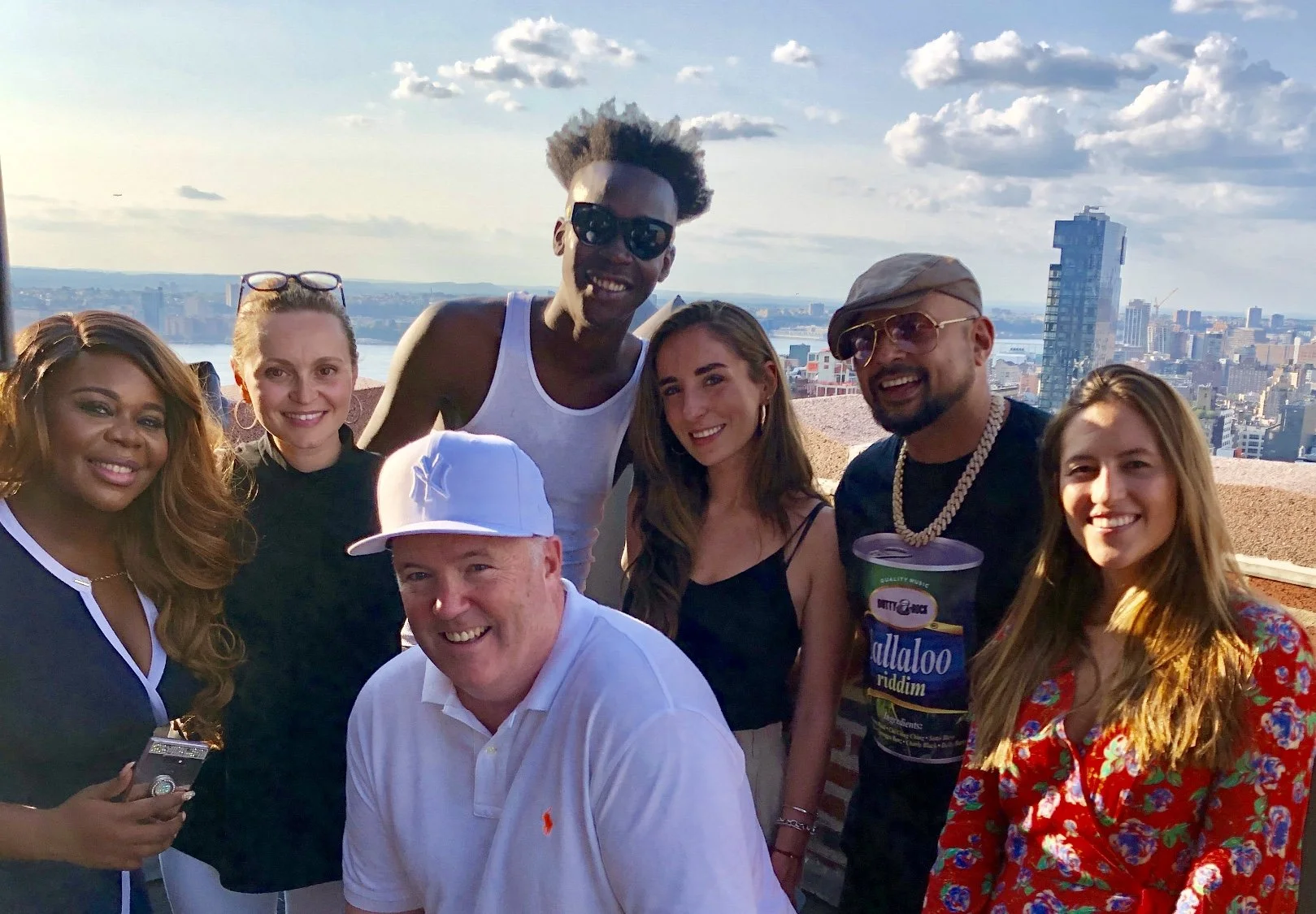
Reggae music recording artists Sean Paul (wearing cap) and Chi Ching Ching (sunglasses) with Rob Douglas and some of his advertising agency colleagues following their performance on the rooftop of the AT&T building (33 Thomas St., NYC).
My love of reggae started in the late 1980s while working at the Benetton clothing store at the Empire State Building. In recent years, it has became Reggae Friday, an evolving playlist of the artists, albums and essential tracks I continually return to and enthusiastically share.
What draws me to reggae is not one particular sound. It is the music’s remarkable range: its bass and rhythm, spirituality and resistance, intimacy and celebration, tradition and constant reinvention.
My production experience gives me a perspective from which to discuss how an album is constructed, sequenced and brought to life. It does not make me an authority on Jamaican or Caribbean culture.
I am not here to explain Caribbean music to the people who created it. I am here as a longtime listener and producer, sharing what I hear, what I admire and what I am still learning.
That is the spirit behind Wax.

Why Walls + Wax?
Pop culture rarely begins in the mainstream.
Its imagery, sounds, language and attitude are often shaped by artists and musical traditions working beyond the brightest spotlight. Mainstream culture borrows from them constantly —sometimes without directing enough attention, appreciation or opportunity back to the source.
Walls + Wax is my small attempt to help reverse that flow.
This is a personal celebration of the urban art and reggae music that bring me joy. By sharing the artists, albums and stories behind that work, I hope to bring more eyes and ears to their creators, expand their audiences and help that joy travel further.
Because at its heart, Walls + Wax is not simply about what I collect or play.
It is about what I believe more people deserve to see and hear.