
Protoje’s The Art of Acceptance Makes Reflection Feel Revolutionary
On his seventh studio album, Protoje blends roots reggae, late-’80s digital textures, hip-hop instincts and deeply personal reflection into a record built for repeated full spins.
Artist: Protoje
Album: The Art of Acceptance
Released: April 17, 2026
Length: 13 tracks, 48 minutes
Label: In.Digg.Nation Collective / Ineffable Records
Primary producer: Phillip “Winta” James, with Protoje and additional collaborators
Featured artists: Jesse Royal, Masicka, Shenseea, Damian “Jr. Gong” Marley, Pressure Busspipe and Stephen Marley
Singles get attention. Albums reveal the artist.
The Art of Acceptance reveals Protoje at an interesting point in his life and career. He is neither announcing his arrival nor attempting to recreate an earlier breakthrough. Instead, he looks inward—examining identity, responsibility, family, faith and the expectations that accumulate around a public figure.
Acceptance does not mean surrender. It means confronting the whole self and finding strength in that honesty. Protoje carries the idea through 13 tracks without turning the album into a lecture. The messages are serious, but the music remains warm and inviting.
For 48 minutes, he gives roots-reggae listeners deep bass, live instrumentation, dub space, jazz color and flashes of dancehall and hip-hop. The result is thoughtful without being stiff and calming without becoming sleepy.
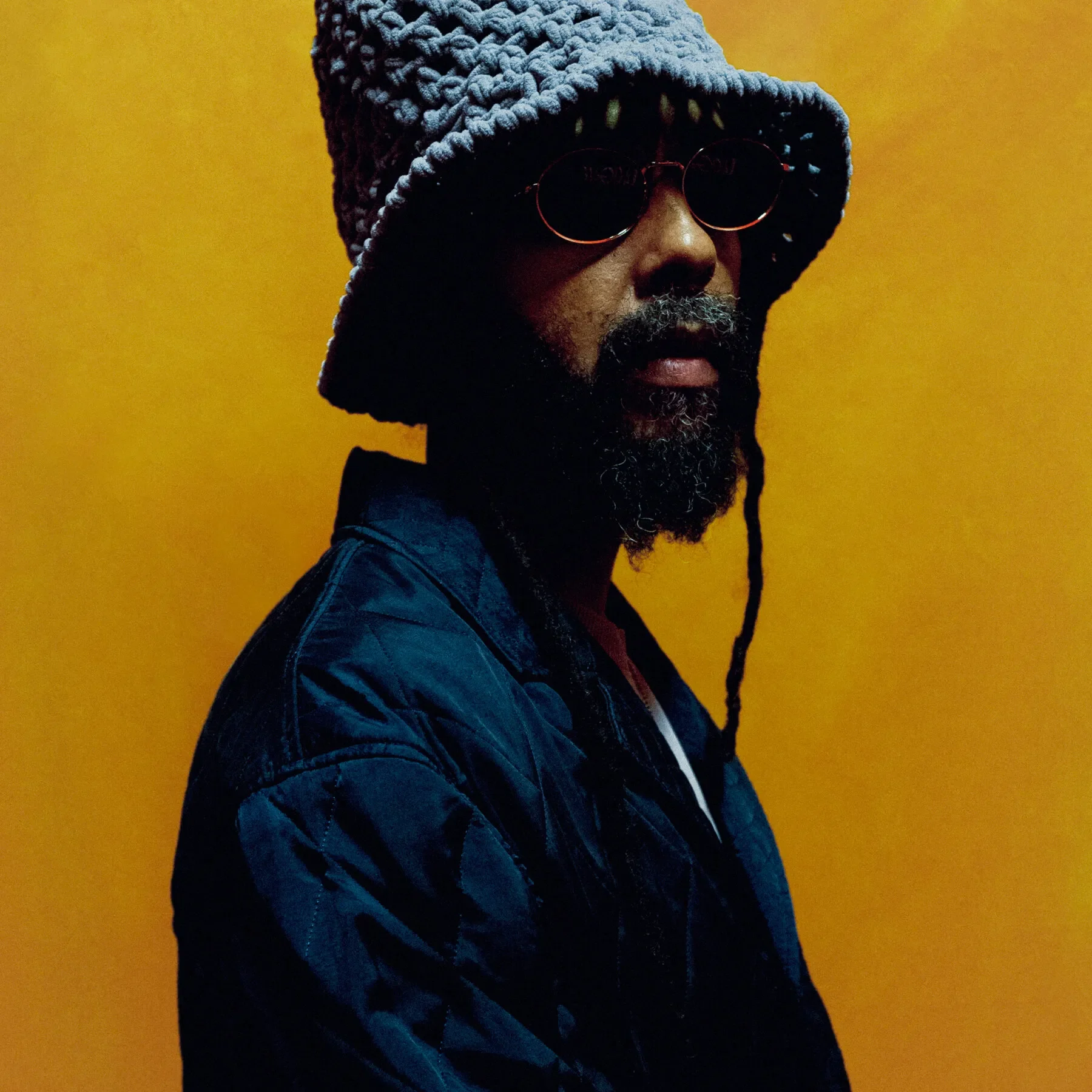
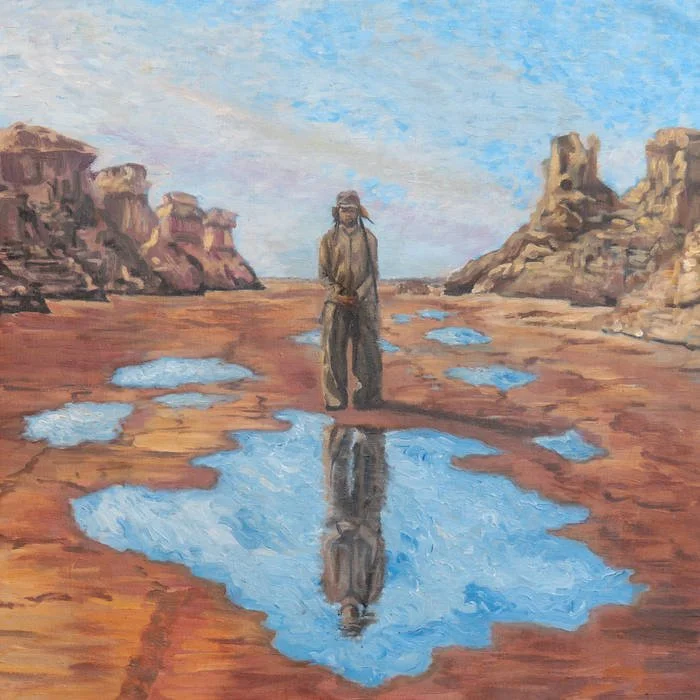
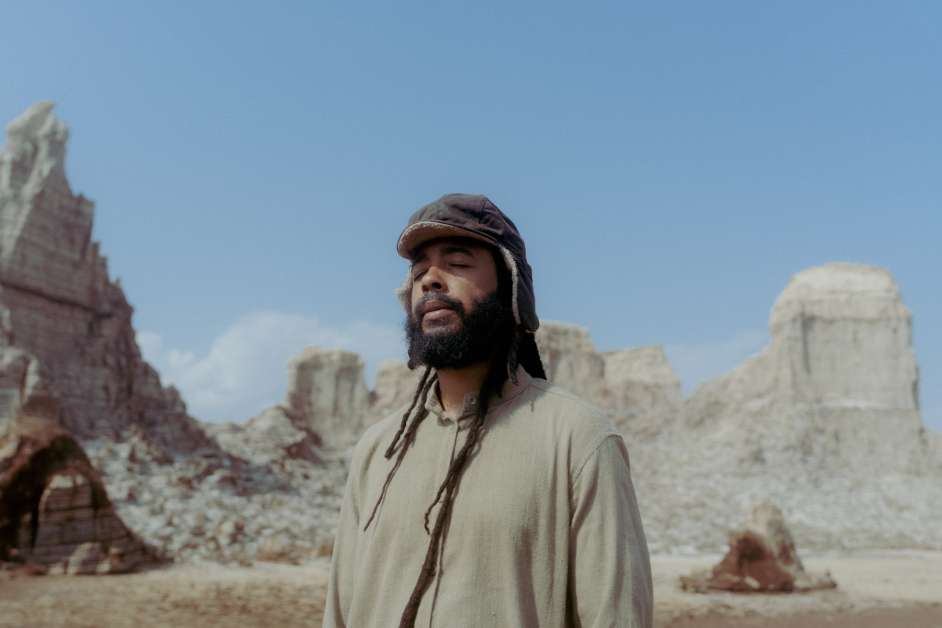
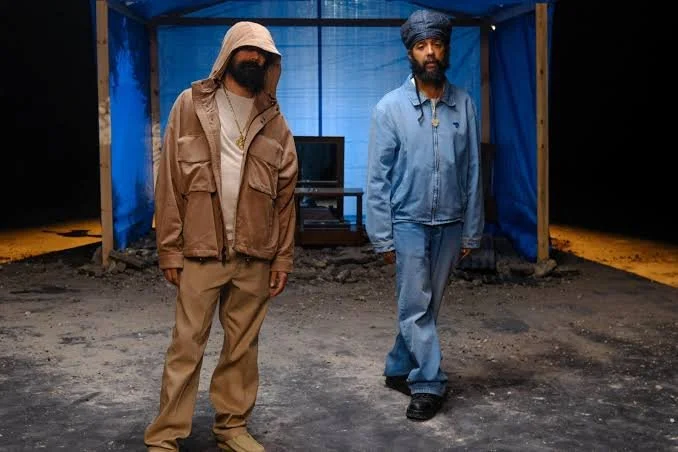

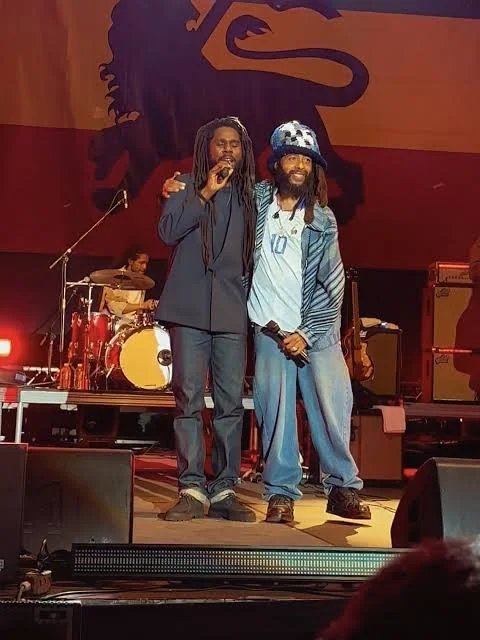
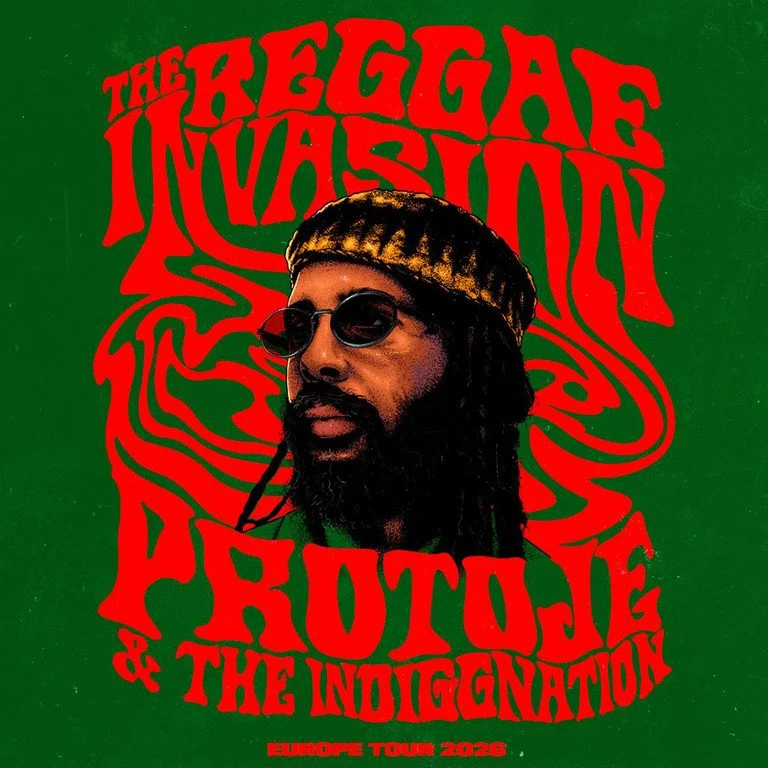
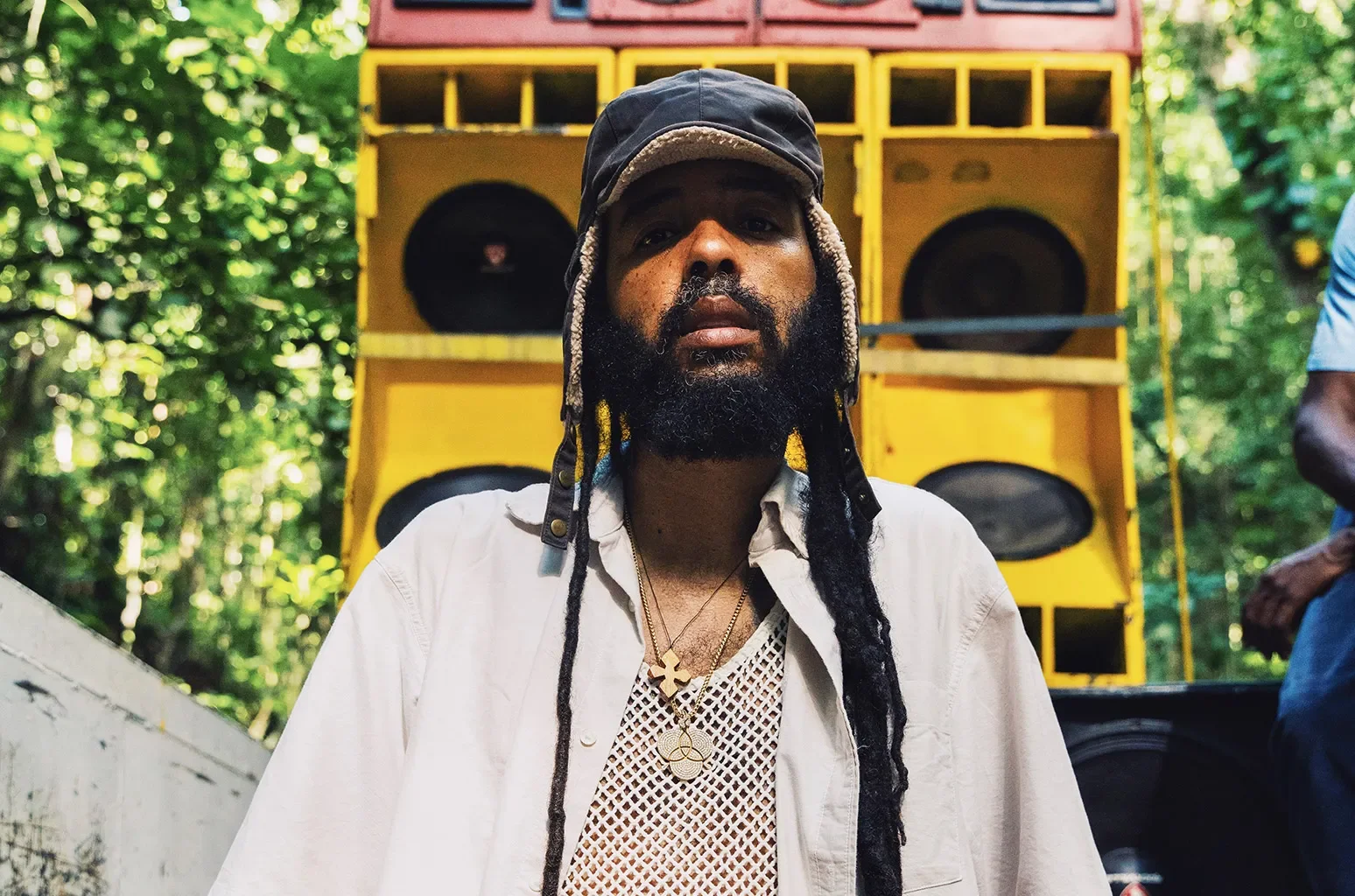
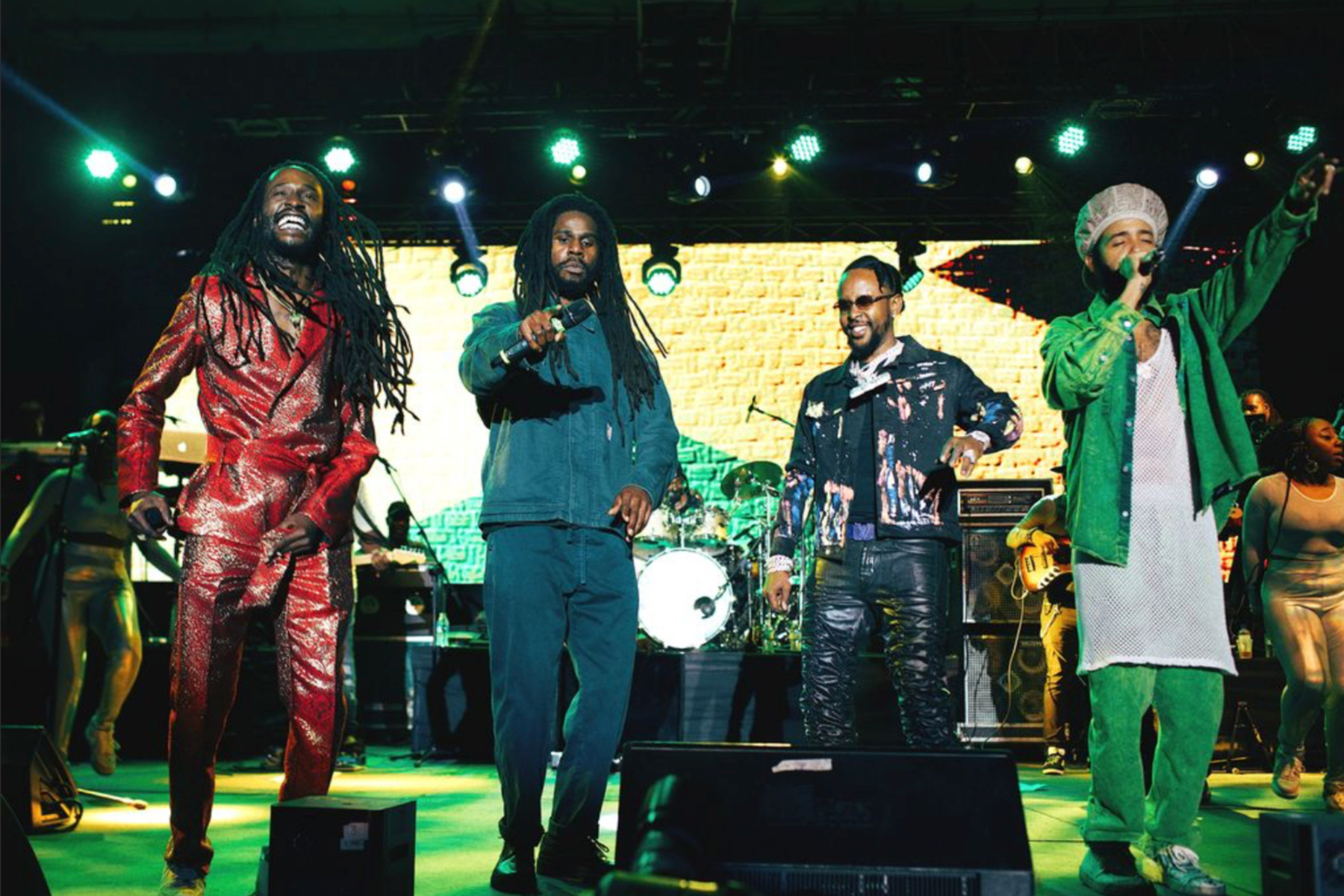
Before the needle drops: Who is Protoje?
Born Oje Ken Ollivierre in Saint Elizabeth, Jamaica, Protoje is one of the central architects of the modern Reggae Revival. Alongside Chronixx, Kabaka Pyramid, Jah9 and Jesse Royal, he helped return conscious lyricism, organic instrumentation and roots-minded purpose to contemporary Jamaican music—while still embracing hip-hop, soul, jazz and digital dancehall.
Protoje is a preservationist and a progressive at once. He respects the foundation without living inside a museum.
Music is part of his inheritance. His mother, Jamaican singer and lawyer Lorna Bennett, scored a 1972 hit with her reggae interpretation of “Breakfast in Bed.” You might be more familiar with the UB40 version featuring Chrissy Hind of the Pretenders. His father, Mike Ollivierre, was a calypso performer from Saint Vincent and the Grenadines.
His influence extends beyond his recordings and performances with The Indiggnation. Through the In.Digg.Nation Collective, he has helped create space for Jamaican artists including Lila Iké, Sevana and Jaz Elise. He is not merely part of a movement; he is one of its institution builders.
This seventh studio album follows the time-centered run of A Matter of Time, In Search of Lost Time and Third Time’s the Charm by turning from the clock toward the mirror. What happens when an artist stops measuring the journey and begins accepting the person taking it?
The first impression
My first impression was that this album could stay on repeat all day.
It gives roots-reggae listeners 48 minutes of jazzy, soulful and occasionally R&B-inflected music without an obvious throwaway. If roots reggae can tame a room, The Art of Acceptance could probably settle a whole herd of wild animals.
That does not mean it will work for everyone. Listeners who prefer the aggressive energy of modern dancehall may find Protoje too restrained. Anyone waiting for the broad pop immediacy of Shaggy or Sean Paul may also wonder when the obvious crossover hit is coming. Protoje is not chasing either response. He remains firmly inside his own lane and trusts the listener to meet him there.
For me, the album works almost anywhere. It has been in heavy rotation in my car, where the bass and sequencing become more apparent with each drive. It also sounds right through my Panasonic BMAX10 party speaker in the backyard— loud enough for the instrumentation to open up, yet relaxed enough for an afternoon with family and friends. Heard alone, the lyrics reveal what the easy grooves initially conceal.
That is the album’s first trick: it feels effortless even when the thinking behind it clearly was not.
What holds the album together
Protoje stays rooted in roots reggae and the Reggae Revival without apology. Within that foundation, he explores enough variations in rhythm, tempo, instrumentation and song structure to keep the album from becoming monotonous.
The central theme is self-examination. Protoje moves among political observation, spiritual grounding, romance, gratitude and family loyalty, repeatedly returning to the tension between the world outside and the reckoning within. Acceptance becomes the difficult work of seeing clearly and choosing love without ignoring injustice.
That thematic center allows a playful collaboration like “Goddess” to share space with the spiritual armor of “Sword & Shield,” the social discomfort of “1000 Lashes” and the family devotion of “In Your Corner.” These tracks do very different jobs, yet none feels as though it wandered in from another album.
Reunited with Protoje as a full-album production partner for the first time since A Matter of Time, Winta James helps balance the artist’s reggae, dancehall and hip-hop instincts. Protoje can move, but the album never loses its center.
The production and sequencing
The production is exceptional— warm, detailed and deeply tethered to Jamaica’s musical foundation.
One-drop rhythms, throbbing bass lines and dub reverbs form the backbone. Horns, percussion, guitars, keyboards and synthesizers draw from acoustic roots reggae, the late-’80s digital revolution and modern hip-hop. The synths add dimension without making the record feel synthetic.
I appreciate the breadth of the instrumentation. The drums change the pressure; the bass creates the space in which everything else moves. Horns arrive with purpose, while guitars and keys add detail without cluttering the mix. The production also leaves room for silence, breath and decay.
The sequencing is equally strong. “Something I Said,” featuring Jesse Royal, opens conversationally before “Sword & Shield” sharpens the spiritual and social edge. “Ting Loud,” with Masicka, and “BIG 45” then raise the energy through dancehall and sound-system muscle.
The middle of the album loosens its grip. “Goddess” and “Feel It” introduce warmth, movement and flirtation before “At We Feet” brings Damian Marley into the frame. The record’s most politically and spiritually concentrated stretch arrives with “The Locusts,” “Reference” and “1000 Lashes.” Then “In Your Corner” changes the emotional temperature entirely, leading into the raw affection of “Love Overflow” and the reflective finale, “Ten Times Around the Sun.”
That arc— from public voice to private reckoning— is what makes the album feel complete. It does not sound like 13 songs placed in a folder. It sounds like a journey with an intended destination.
The standout moment
“In Your Corner” is the standout track for me.
The familiar reggae groove creates an immediate earworm, but the hook is not what gives the song its staying power. This is one of the most personal and emotionally direct performances of Protoje’s career. Instead of turning outward toward politics or culture, he addresses the people who remain beside us through self-doubt, pain and emotional darkness.
The promise at its center— “I’ll always be in your corner”— can apply to a partner, parent, child, sibling or friend. Protoje began the song before his grandmother died and completed it afterward. Family voices and memories deepen the recording, while the visual draws from home-video footage spanning generations.
The result never feels manufactured for emotion. It feels lived in. Protoje is not delivering a grand statement about loyalty; he is acknowledging the people whose loyalty made his own journey possible. On an album about facing oneself fully, this is the moment when acceptance becomes gratitude.
My three essential tracks
There are enough strong tracks here that this list may look different one month—or even one week—from now. Today, these are my three.
“Sword & Shield”
One of the album’s most culturally fervent tracks. Its tense, hip-hop-leaning production supports tightly packed verses about violence, consequence and spiritual protection. Fragments of a Peter Tosh speech from the 1983 One Love Concert connect present-day pressure with reggae’s revolutionary lineage. This is history used as reinforcement.
“Feel It”
Placed between “BIG 45” and “At We Feet,” “Feel It” provides a necessary breath. It is smooth, melodic and joyful without becoming slight. Sometimes an album simply needs a little sunlight in the middle.
“BIG 45”
A booming tribute to Jamaican sound-system culture and the 45 RPM records that helped build reggae and dancehall. The song began during a German soundcheck when The Indiggnation found a groove and Protoje caught the idea. Its live origin remains audible: this is music for large speakers, physical bass and a responding crowd.
Collaborations, deeper cuts—and one disappointment
Protoje curates collaborators with unusual discipline. The guests expand the album rather than interrupt it.
“Goddess,” featuring Shenseea, is playful, confident and probably the clearest crossover opportunity. The contrast between her glamorous presence and Protoje’s cerebral persona creates a little theater of the mind, while their chemistry keeps the track light without making it disposable.
“Ting Loud” gives Masicka room to bring a contemporary dancehall edge. “1000 Lashes,” featuring Stephen Marley, confronts the discomfort of living securely while remaining aware of exploitation and suffering beyond your own door. Stephen adds emotional gravity rather than celebrity decoration.
Pressure Busspipe adds force to “The Locusts,” while Jesse Royal helps open the album with purpose on “Something I Said.” Each feature feels connected to a particular musical or thematic need.
Then there is “At We Feet.” I had been eager to hear what Protoje and Damian “Jr. Gong” Marley would create together. On paper, it looked like one of the album’s guaranteed peaks. For me, it is not. The rhythm is strong, the history behind the collaboration matters and neither artist gives a poor performance. Yet the track never produces the spark I expected from two artists I admire so much.
It is the difference between respecting a song and feeling compelled to replay it. On an album this strong, even the disappointment is relative.
The full-spin verdict
Put this album on in the car, at home, in the office, in the studio or through a serious party speaker in the backyard. It works alone when you want to hear the ideas, and it works with friends and family when you simply want the atmosphere.
Roots-reggae listeners should hear The Art of Acceptance from beginning to end. Newer listeners may initially select three or four favorites, but the sequencing rewards a return to the complete record. The reflective close means more because of the public energy preceding it.
The physical edition makes an especially strong case for ownership. The expanded two-LP pressing adds dub versions of “BIG 45,” “Goddess” and “At We Feet,” extending the album’s relationship with sound-system culture and giving the production even more room to breathe.
The Art of Acceptance does not reinvent Protoje. It refines what makes him important: respect for reggae’s foundation, curiosity about where the music can travel and a willingness to let maturity reshape the message. It is calm without complacency, polished without losing warmth and cohesive without becoming predictable.
Wax rating: Essential wax—exceptional, full-spin worthy and deserving of a place in the collection. Get it on wax.
Now it is your turn: Which three tracks make your essential list—and did “At We Feet” deliver what you expected from Protoje and Damian Marley?
Listen: Apple Music | Bandcamp
Explore and follow Protoje: Official website
Buy the physical release: Protoje store locator